-
Whatsapp +86 13526654721
-
Email: sales@carmatrolls.com
-
Address: AUX Industrial Park, Shangjie District, Zhengzhou City, Henan Province, China
-
Whatsapp +86 13526654721
-
Email: sales@carmatrolls.com
-
Address: AUX Industrial Park, Shangjie District, Zhengzhou City, Henan Province, China

Installing Heel Pads on Car Mats: Welding vs. Screwing vs. Sewing
What is the most effective method for permanently attaching a heel pad to a car floor mat to prevent dangerous peeling and slipping?
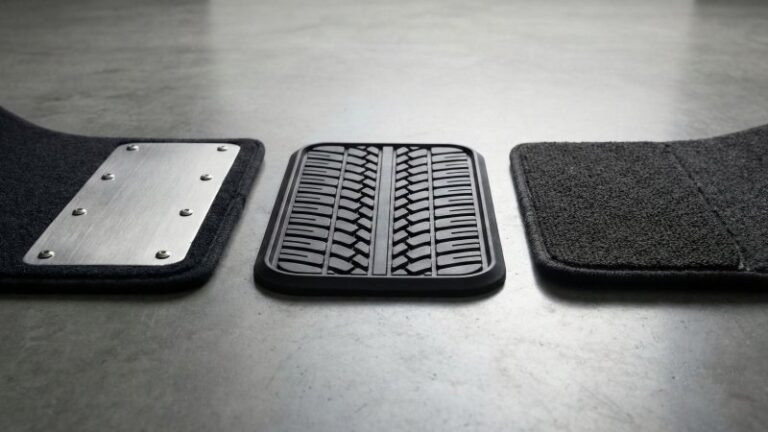
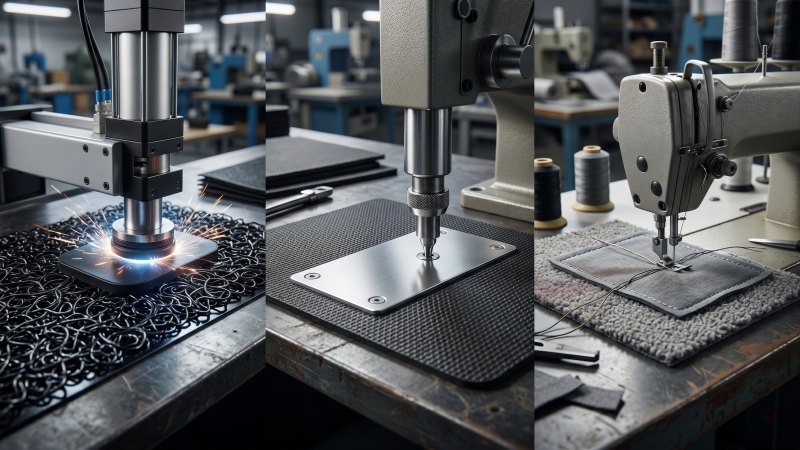
The most effective attachment method depends directly on the materials being joined. High-frequency welding is required for fusing polar plastics like PVC, specialized flush mechanical fasteners (like binding screws or rivets) are necessary for securing rigid metal plates, and heavy-duty sewing is best for binding flexible carpets. Selecting the correct industrial process ensures a permanent, waterproof hold that withstands heavy foot shear and prevents critical safety hazards like pedal interference.
Matching Installation Methods to Mat Materials
How do manufacturers determine the correct method for attaching heel pads to different types of car floor mats?
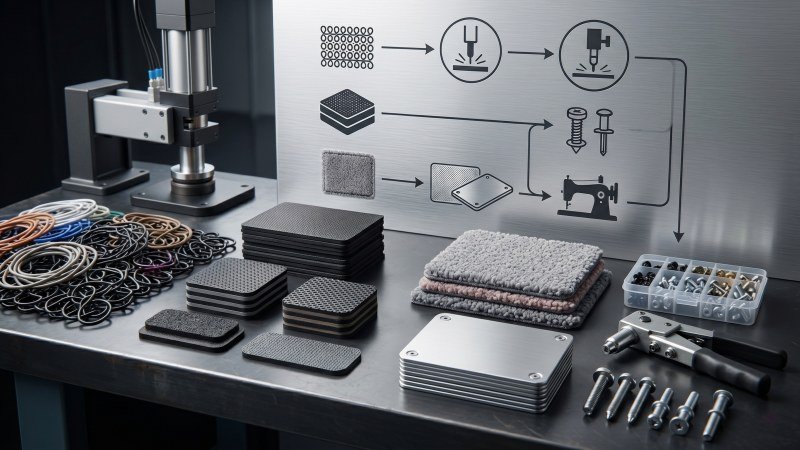
The optimal attachment technique relies entirely on the chemical and physical properties of the base mat and the heel pad. Polar plastics require high-frequency welding for molecular fusion. Rigid metal plates need flush-mounted mechanical fasteners for physical anchoring. Meanwhile, woven carpets depend on heavy-duty sewing to connect flexible fibers. Using mismatched processes causes quick separation and ruined products.
| Mat Base Material | Heel Pad Material | Recommended Method | Compatibility Reason |
|---|---|---|---|
| PVC / PU | Rubber / PVC | High-Frequency Welding | Fuses polar polymer molecules into one solid layer. |
| Carpet / Rubber | Aluminum / Steel | Flush Screwing / Riveting | Connects rigid metal directly to flexible bases securely. |
| Tufted Carpet | Fabric / Soft Rubber | Heavy-Duty Sewing | Binds layers through the strong woven fabric backing. |
High-Frequency Welding for Polyvinyl Chloride (PVC)
High-frequency welding uses focused electromagnetic energy to join plastics together. This method is perfect for polar materials like Polyvinyl Chloride (PVC) and Polyurethane (PU). Why does this work so well? Polar molecules react strongly to the electromagnetic field.
During the process, the materials heat up rapidly and melt slightly. The result? The pad and the mat fuse into one solid piece. This is very similar to how heat-fusing is used to join synthetic vinyl interior door panels in auto upholstery. They bond completely on a molecular level.
It is crucial to note that non-polar materials, such as standard Thermoplastic Rubber (TPR), cannot generate this friction and will not weld under high-frequency machines. TPR requires alternative methods like ultrasonic welding. Here’s the catch: even within PVC blends, specific plasticizer additives change how the material melts. Because of this, always check the exact material melt indexes and polar compatibility specifications with your raw material supplier before starting production.
Mechanical Fastening for Hard Metal Alloy Plates
Sometimes, a car mat requires a heavy-duty metal pad. Usually, these hard pads consist of aluminum or stainless steel. Manufacturers obviously cannot melt metal into rubber or carpet. And since metal doesn’t yield, you have to rely on mechanical fastening.
Industrial mechanical fastening clamps the metal plate to the softer base mat. Think of it like installing rigid aluminum racing pedal covers over factory rubber pedal mounts. You absolutely need hard fasteners to force the rigid metal and the yielding base together.
Think a standard adhesive is going to hold a rigid plate to a flexing carpet? Think again. The carpet flexes constantly under a driver’s foot. The metal plate, on the other hand, stays perfectly stiff. Thanks to this extreme difference in movement, dried glues will quickly crack and peel. Mechanical anchors lock the hard metal plate securely through the soft mat backing, providing a permanent physical bond.
Heavy-Duty Sewing for Carpet and Fabric Mats
Woven car carpets present a very unique challenge. They have a fuzzy, textured surface. Because of this loose texture, industrial glues cannot grip properly. For that reason, heavy-duty sewing remains the best choice for carpet and fabric mats.
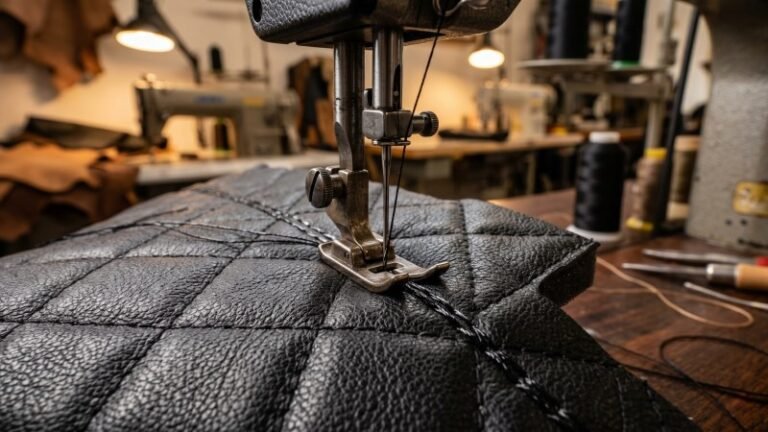
Sewing physically threads a heavy cord through both materials. It pushes straight through the heel pad. Then, it loops securely around the carpet’s strong woven backing. This action creates hundreds of tiny mechanical anchors along the pad’s edge. It works exactly like stitching a heavy leather seat cover to its structural foam backing.
Better yet, sewing handles daily flexibility beautifully. When a driver presses the pedals, the carpet bends. The stitched thread bends right along with it. That means the flexible pad stays securely attached without ever popping off.
Technical Execution and Preventing Common Failures
What are the most critical steps to ensure a heel pad stays securely attached to a car mat during the production process?
To prevent common attachment failures, manufacturers must precisely control equipment settings and hardware choices. This includes calibrating high-frequency welding machines to exact temperatures, utilizing strictly flush-mounted mechanical fasteners to eliminate bottom protrusion, and selecting bonded nylon thread with heavy-duty needles. Flawless execution of these technical parameters ensures the heel pad remains permanently affixed and completely safe.
Setting the Correct Temperature and Pressure for Plastic Welds
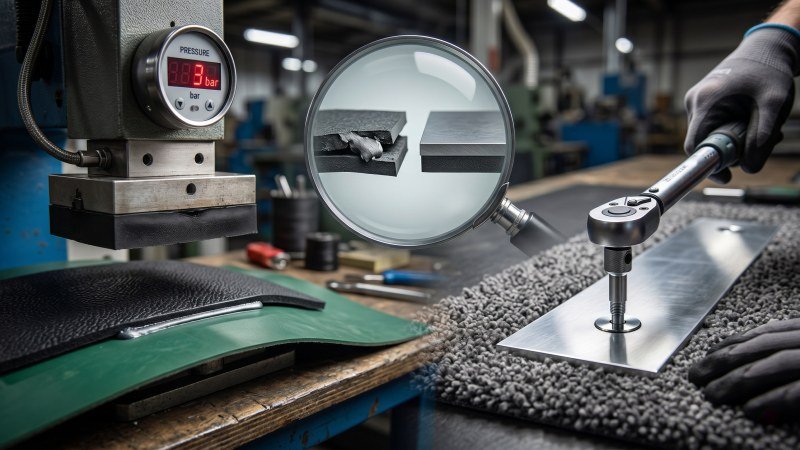
High-frequency welding demands absolute precision. If your settings are off, the materials will either fail to bond or melt entirely. How do you find the perfect balance? It all comes down to strictly managing temperature, pressure, and dwell time.
Typically, welding compatible PVC car mats requires specific temperatures between 120°C and 150°C. Simultaneously, machines must apply roughly 3 to 5 bar of downward pressure. Think of this process like operating an industrial fabric embossing press. If you set the heat die too high, you accidentally scorch the base carpet. On the flip side, too little heat creates a weak “cold weld.” This cold weld will peel off the mat almost instantly.
Because specifications vary widely depending on the exact polymer blend, machine operators must run thorough test patches. This ensures they calibrate the exact pressure and heat required for each specific material batch.
Utilizing Flush-Mount Hardware to Eliminate Bottom Protrusion
Ever wonder why amateur mechanical installations pose such severe safety risks? The primary culprit is the use of standard bolts and nuts. If a hard nut protrudes from the bottom of the floor mat, it prevents the anti-slip backing (like gecko claws or velcro) from gripping the vehicle’s original carpet.
When that happens, the entire floor mat can slide forward, potentially jamming the accelerator or brake pedals. To prevent this critical safety failure, industrial manufacturers strictly avoid standard screws. Instead, they use flat-backed tubular rivets or specialized two-piece flush binding screws (often called Chicago screws).
These specialized fasteners sit completely level with the base mat’s bottom layer. This ensures the mechanical anchor holds the rigid metal plate tightly without destroying the mat’s anti-slip capabilities. It also prevents hard hardware from scratching the expensive factory carpet beneath it.
Selecting Bonded Nylon Thread and Heavy Needles for Stitching
Industrial sewing is completely different from household tailoring. If you use standard cotton thread on a car mat, it will fail rapidly. Standard threads rot, fray, and break under daily friction.
Instead, manufacturers must use bonded nylon thread. The industrial bonding process coats the nylon fibers in a protective resin. This crucial coating prevents the thread from unwinding during high-speed machine sewing. To ensure longevity, manufacturers must strictly source certified automotive-grade bonded thread that meets specific industry tensile strength standards.
On top of that, thick mats require specialized heavy-duty needles. Standard needles will bend and snap when punching through thick rubber and dense carpet backing. Just like stitching heavy vinyl convertible tops, you need robust steel needles to pierce the material cleanly without skipping stitches.
| Mat Material Thickness | Recommended Needle Size | Recommended Thread Type |
|---|---|---|
| Thin (Under 5mm) | Size 110/18 | Bonded Nylon Size 69 |
| Thick (Over 5mm) | Size 130/21 | Bonded Nylon Size 92 |
Performance Evaluation for Driving Safety and Durability
How do different heel pad installation methods perform when subjected to rigorous real-world driving conditions?
The long-term performance of a heel pad depends entirely on its ability to block moisture and resist mechanical stress. Welded PVC pads provide an impenetrable barrier against water, while fastened and sewn pads require secondary sealing treatments. Furthermore, a successfully installed pad must withstand constant shear forces securely to prevent the entire mat from sliding and interfering with the vehicle’s pedals.
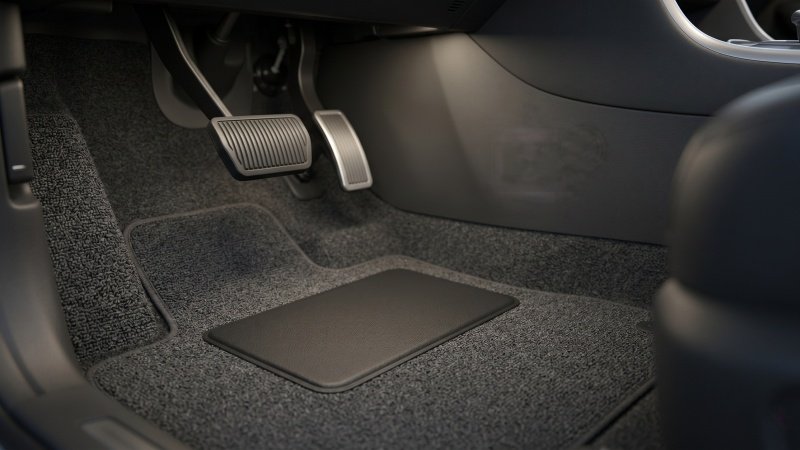
Achieving a Completely Waterproof Seal Against Wet Footwear
Drivers track snow, rain, and mud into their vehicles daily. Because of this, the heel pad must act as a reliable barrier. High-frequency welding offers the highest performance in this specific category for compatible plastics.
Since the plastic layers melt together, they form a solid, continuous block. Can water pass through a solid plastic weld? Absolutely not. Industry data shows that properly welded PVC mats boast a 100% waterproof rating at the fusion joint. Think of it like applying automotive seam sealer to interior floor pans. The barrier is absolute and permanent.
However, the absolute waterproof rating depends heavily on the density of the PVC base, requiring strict quality control during the material selection phase.
Mitigating Moisture Seepage Through Stitch Holes and Fasteners
Unlike welding, sewing and mechanical fastening actively puncture the car mat. Naturally, these physical punctures create direct pathways for water. How do manufacturers solve this frustrating leakage problem?
For sewn mats, factories apply a waterproof backing tape directly behind the stitching. This resembles the seam-taping process used in manufacturing convertible soft tops. The tape physically blocks water from flowing down the nylon threads and soaking through the vehicle’s primary carpet.
Now, flush mechanical plates face an entirely different set of challenges. Water travels down the fastener shafts into the base mat. To prevent this, professional installers use compressed rubber sealing washers beneath the metal plate to keep moisture out.
| Attachment Method | Primary Moisture Weak Point | Recommended Mitigation Strategy |
|---|---|---|
| Sewing | Needle stitch holes | Apply waterproof seam tape to the backing. |
| Mechanical Fastening | Metal hardware pathways | Install compressed rubber sealing washers. |
Resisting Constant Shear Force and Preventing Pedal Interference
A driver’s heel constantly pushes forward and backward while driving. This repetitive action generates massive shear force against the heel pad. If the attachment fails, the pad’s edge will curl upwards. Are you willing to risk a curled pad trapping the accelerator or brake pedal? Definitely not.
Flush-mounted mechanical fasteners offer the highest shear resistance for rigid metal pads. They anchor firmly through the floor mat’s layers—never into the vehicle’s actual base carpet, which must remain undamaged and allow for the mat to be easily removed for cleaning.
By contrast, heavy-duty sewing spreads the shear load across hundreds of individual thread loops. This prevents any single point from tearing. In automotive upholstery testing, a properly sewn heel pad easily withstands over 50 pounds of continuous shear pull. This directly mimics years of heavy boot friction, keeping the pad flat and the driver safe.
Conclusion
Selecting the appropriate method for installing heel pads on car mats—whether high-frequency welding, flush mechanical fastening, or heavy-duty sewing—is crucial for product longevity and driver safety. By carefully matching the attachment technique to the specific materials and strictly controlling the technical execution, manufacturers can eliminate fatal failures like mat sliding, pedal interference, and moisture seepage. At the end of the day, a properly secured heel pad withstands the daily rigors of shear force and wet conditions, ensuring a safe and comfortable driving experience. Ready to upgrade your manufacturing process with these secure methods? Contact us today to discuss your specific requirements with our experts!