-
Whatsapp +86 13526654721
-
Email: sales@carmatrolls.com
-
Address: AUX Industrial Park, Shangjie District, Zhengzhou City, Henan Province, China
-
Whatsapp +86 13526654721
-
Email: sales@carmatrolls.com
-
Address: AUX Industrial Park, Shangjie District, Zhengzhou City, Henan Province, China

Car Mat Edging Tape Analysis: Nylon, PP, & Leather Binding Options
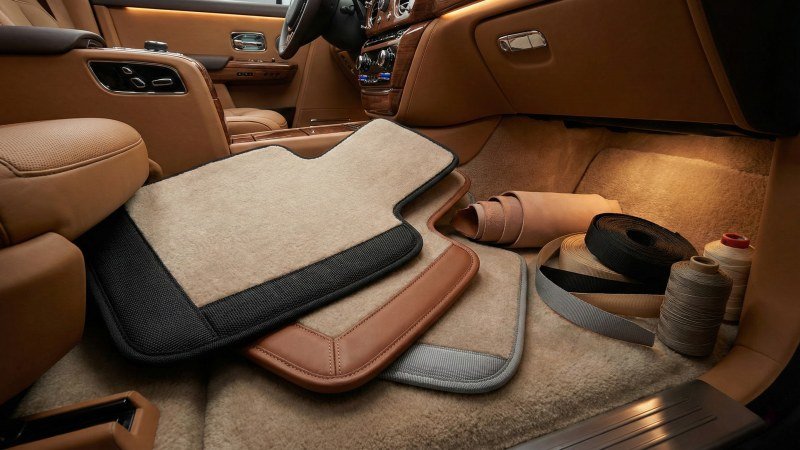
For optimal durability in high-traffic areas, Nylon binding is the superior choice due to its high tensile strength and abrasion resistance. Polypropylene (PP) webbing offers a cost-effective, water-resistant solution for standard protection, while Leather and Leathercloth (Vinyl) are essential for achieving a premium, factory-finished aesthetic in luxury applications, though they require industrial equipment for installation.
Comparing Key Materials: Durability vs Aesthetics
For most automotive applications, Nylon binding provides the superior balance of durability and abrasion resistance, making it ideal for the driver’s heel pad area. Polypropylene (PP) serves as the budget-friendly, water-resistant standard for general floor protection. However, for luxury restorations or high-end custom interiors, Leathercloth (Vinyl) or Genuine Leather binding is the required choice to achieve a premium, factory-finished aesthetic, despite offering lower friction resistance than woven textiles.
Polypropylene Webbing for Economy and Water Resistance
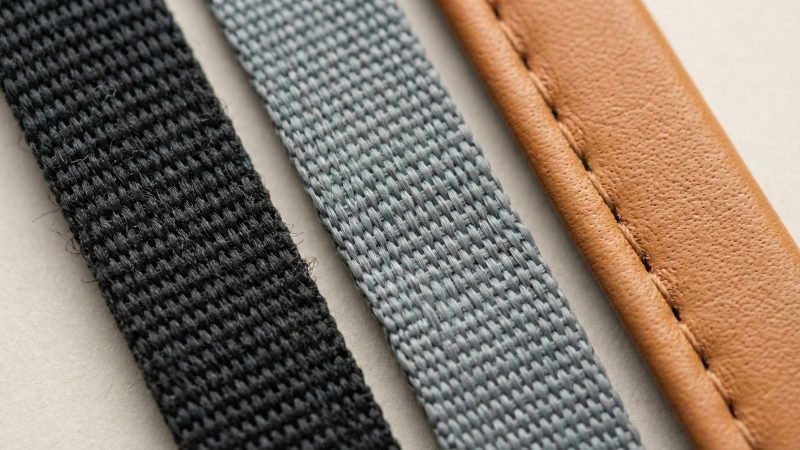
Polypropylene, often referred to as PP webbing, is the industry standard for entry-level and OEM replacement car mats. Its primary advantage is its chemical structure, which makes it naturally hydrophobic. This means the fibers do not absorb moisture. When you spill coffee or track rainwater into the vehicle, the PP edge will not soak up the liquid, preventing rot and mildew formation along the mat’s border.
In terms of cost, PP is the most economical option. It allows manufacturers to produce functional mats at a lower price point. The texture is generally coarser than other materials. If you touch the standard carpeting in the trunk of an economy sedan, the stiff, slightly rough binding on the edge is likely polypropylene.
The trade-off? PP has a lower melting point and lower abrasion resistance compared to Nylon. Under the constant friction of a driver’s heel, a PP edge may fray or fuzz sooner than higher-grade synthetics.
Key Characteristics of Polypropylene:
- Water Resistance: Excellent; fibers repel water.
- Cost: Low; ideal for budget-conscious projects.
- UV Stability: Good, especially in solution-dyed variants.
Nylon Binding for Maximum Durability and Abrasion Resistance
Nylon is the heavy-duty workhorse of the auto trim industry. If you are fabricating mats for commercial vehicles, taxis, or trucks where heavy work boots are common, Nylon binding is the superior choice. It possesses a higher tensile strength than polypropylene. This allows it to withstand significant friction without snapping or unraveling.
From a visual standpoint, Nylon often has a slight sheen or luster, giving it a higher-quality appearance than the matte, flat look of PP. It feels softer to the touch, similar to the difference between a high-quality seatbelt and a rough cargo strap. This flexibility allows the tape to curve around the tight radius of a car mat corner more smoothly.
Note: While Nylon is tough, specifications can vary between suppliers. Always confirm the denier (fiber thickness) with your material provider to ensure it matches the specific wear requirements of your project.
Leather and Leathercloth for Premium Interior Styling
When the goal shifts from pure utility to aesthetic upgrading, leather and leathercloth (vinyl) become the materials of choice. But don’t confuse the two. Leathercloth is a synthetic material, typically a PVC face bonded to a woven cotton backing. It mimics the grain and texture of real leather but is more resistant to water and easier to clean.
Genuine Leather binding offers the ultimate luxury finish and that distinct leather smell. However, it is significantly more expensive and requires careful maintenance. In the auto upholstery industry, leather binding is often “skived.” This is a process where the edges of the leather strip are shaved down to reduce thickness. This prevents the edge from becoming too bulky when folded over the carpet.
Material Comparison:
| Feature | Leathercloth (Vinyl) | Genuine Leather |
|---|---|---|
| Water Resistance | High (Waterproof surface) | Low (Absorbs water, can stain) |
| Maintenance | Wipe clean | Requires conditioning |
| Industry Use | Custom aftermarket mats | High-end restoration (e.g., Jaguar, Rolls Royce) |
Nubuck and Suede Tapes for Luxury Finishes
Nubuck and Suede binding tapes are niche products used primarily in sports and luxury performance vehicles. These materials provide a soft, matte finish that reduces glare and offers a tactile, velvety feel. They are often chosen to match Alcantara headliners or suede seat inserts found in sports packages.
While visually stunning, these materials are the least durable regarding stains. They attract dust and can absorb oils from shoes. Bottom line: they are best suited for show cars rather than daily drivers. Using a Nubuck edge on a floor mat is similar to placing Alcantara on a door sill kick plate; it looks premium initially, but it will inevitably scuff and stain upon first use in a high-contact zone.
Matching the Edging to Your Application Method
The selection of edging tape must directly align with the torque and feed mechanism of your sewing machinery to ensure a secure bond. Standard household sewing machines require pliable, low-density bindings like soft polypropylene or herringbone weave tapes to prevent motor strain and skipped stitches. In contrast, rigid materials such as heavy-duty vinyl or thick leather necessitate an industrial compound walking-foot machine to transport the dense multi-layer assembly evenly, while adhesive options serve as the primary solution for manual, equipment-free applications.
Soft Binding Tapes for Household Sewing Machines
If you are using a standard domestic sewing machine, your choice of binding material is limited by the machine’s “feed dog” system. Domestic machines rely on small metal teeth at the bottom to pull the fabric through. Therefore, you must select soft binding tapes that are pliable enough for these small teeth to grip.
Rigid tapes will simply slide over the feed dogs or cause the machine to jam. The most compatible option for these machines is herringbone weave polypropylene or cotton binding. The herringbone pattern allows the tape to stretch slightly. This flexibility is crucial when navigating the curved corners of a car mat without a specialized binder attachment.
Also, keep an eye out for “low-profile” bindings. These tapes have a thinner cross-section, reducing the overall thickness the needle must penetrate. Attempting to force a thick, industrial-grade nylon webbing through a home machine is similar to trying to stitch through multiple layers of seatbelt webbing with a standard needle; the motor effectively stalls, and the needle deflects.
Rigid Materials Requiring Industrial Walking Foot Machines
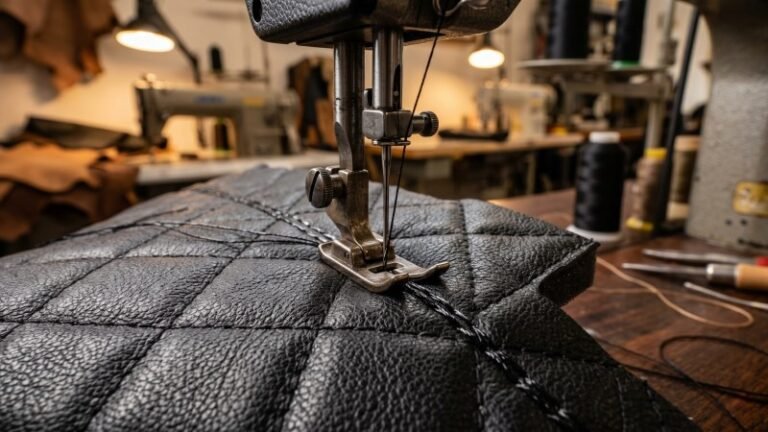
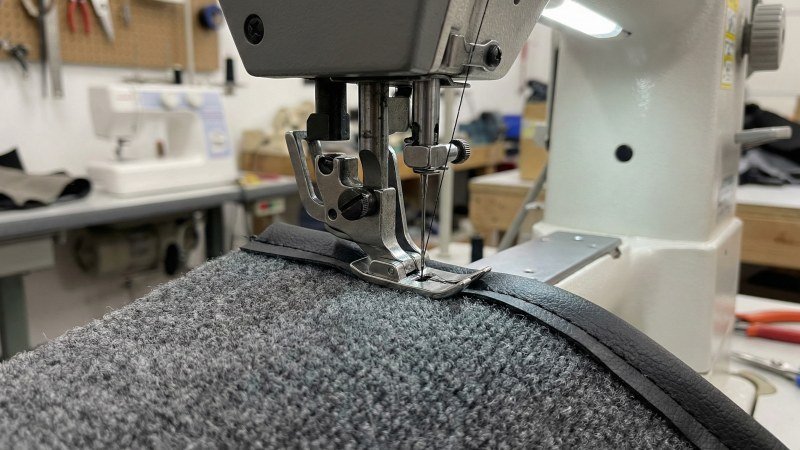
To achieve a showroom-quality finish with rigid materials like heavy-duty vinyl (leathercloth) or thick leather, an industrial sewing machine is mandatory. Specifically, you need a machine with a walking foot (compound feed) mechanism.
This is where standard mechanics fail. Unlike domestic machines, a walking foot machine uses two sets of feet that “walk” across the fabric. They grip the top layer of the binding and the bottom of the mat simultaneously. This is essential for rigid bindings because vinyl and leather are slippery and dense. Without this dual-grip action, the slick binding tape will slip out of alignment with the carpet, resulting in a twisted edge.
Professional auto trimmers typically use machines like the Juki DNU-1541 or Consew 206RB for these materials. These machines possess the punching power to drive a needle through the dense “sandwich” of the carpet backing, the pile, and two layers of stiff vinyl binding. If you plan to use rigid binding tape, verify that your equipment can handle heavy thread (such as V92 bonded nylon) without tension issues.
Adhesive-Backed and Glue-On Options for No-Sew Repairs
For car enthusiasts who lack heavy-duty sewing equipment, adhesive-based bindings offer a practical alternative. These are often used for quick repairs or cosmetic updates rather than full manufacturing runs.
There are two primary categories in this sector:
- Peel-and-Stick Bindings: These tapes come with a pressure-sensitive adhesive (PSA) pre-applied to the back. They are convenient but generally have lower heat resistance. In a hot car interior, the adhesive can soften, causing the binding to shift.
- Contact Cement Applications: This method involves applying a high-temperature automotive contact adhesive to both the mat edge and the binding tape.
Comparison of No-Sew Bonding Methods:
| Feature | Peel-and-Stick Tape | Contact Cement Method |
|---|---|---|
| Ease of Application | Very High (Peel and press) | Medium (Requires brushing/spraying) |
| Bond Strength | Low to Medium | High (Chemical bond) |
| Heat Resistance | Low (Risk of creeping in summer) | High (Standard for auto upholstery) |
| Flexibility | Stiffens over time | Remains flexible with the mat |
If you go the contact cement route, proper surface preparation is critical. You must clean the rubber backing of the mat thoroughly to remove any mold release agents, similar to how a body shop technician must de-grease a car panel before spraying primer. Without this step, even the strongest glue will fail to adhere to the rubber substrate.
Critical Specifications to Check Before Buying
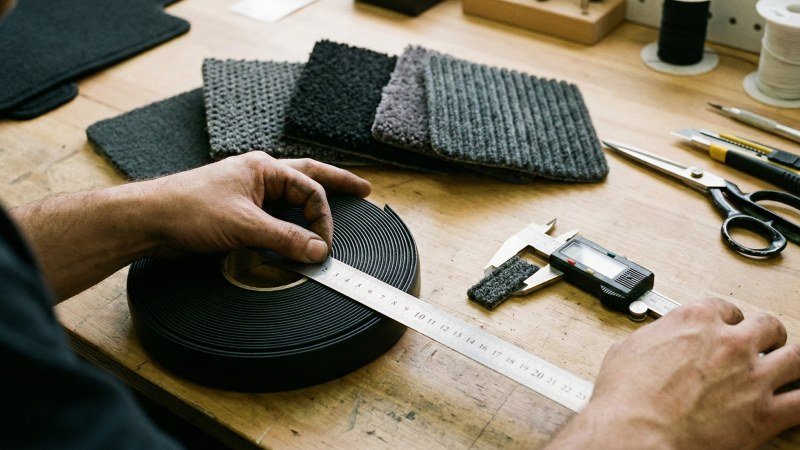
To ensure a professional and lasting finish, you must verify that the tape width allows for a minimum 10mm visible border on both the top and bottom after accounting for the carpet’s thickness. Furthermore, confirm the material features high UV stability (typically ISO Grade 6 or above) to prevent fading under windshield glare, and check that the binding’s gauge (thickness) is compatible with your carpet’s pile height to prevent edge puckering.
Standard Widths and Fold Over Allowances
When selecting binding tape, the total width is the most confusing variable for beginners. Why can’t you just pick a width based on looks? Because you must calculate the Fold Over Allowance. This is the amount of material that wraps around the edge to cover both the face and the backing of the mat.
The thickness of your car mat “consumes” the width of the tape. Imagine trying to wrap a thick piece of upholstery foam with a narrow strip of vinyl; if the foam is too thick, the vinyl edges won’t meet. Think about it: a standard 22mm tape might look sufficient, but if applied to a deep-pile luxury carpet, it may not even reach around to the back.
Common Width Categories:
- 22mm – 25mm (Narrow): Used for standard loop-pile mats. This typically leaves a small, discreet edge.
- 30mm – 38mm (Medium): The industry standard for plush carpets. It provides enough slack to cover the pile without compressing it too much.
- 50mm+ (Wide): Used for “border” style finishes where the edge is a prominent design feature.
Please note: Width tolerances can vary slightly between manufacturers. Always verify the exact millimeter width, as a “1-inch” tape might actually measure 24mm or 26mm depending on the source.
UV Stability and Color Fastness for Automotive Interiors
A car interior is an extreme environment for textiles. The glass windows act like a greenhouse, magnifying UV radiation and heat. That means you can’t use standard garment-grade binding found at a local craft store. Those materials will fade rapidly, turning black tape into a purplish-grey within months.
You must look for “Automotive Grade” or “Solution Dyed” specifications. In solution dyeing, the color pigment is mixed into the molten polymer before it is extruded into fiber. This ensures the color is integral to the material’s structure, similar to a molded dashboard component, rather than being surface-printed like a patterned fabric.
Understanding UV Ratings:
- Blue Wool Scale: This is a common industry measure. For automotive use, look for a rating of 6 or higher (on a scale of 1-8).
- Hours of Exposure: Some suppliers rate materials by hours. A rating of 500+ UV hours is generally the minimum for dashboard or floor applications exposed to direct sunlight. You can reference the ISO Blue Wool standards to understand how these ratings correlate to real-world weathering.
Thickness Compatibility with Carpet Pile
The “weight” or thickness of the binding tape itself must balance with the carpet. If you use a heavy, stiff leather binding on a lightweight, flexible carpet, the edges will distort and curl upward. Flip the script, and use a thin, flimsy nylon tape on a heavy rubber-backed mat, and you will result in a wavy, unstable edge.
In the auto trim industry, we call this “Telegraphing.” This happens when the texture of the carpet pile pushes through a thin binding tape, making the edge look bumpy and uneven. To prevent this, the binding needs enough structural integrity to compress the pile and create a smooth line.
Recommended Pairing Guide:
| Carpet Type | Pile Height | Recommended Binding Gauge | Best Material Match |
|---|---|---|---|
| Needle Punch | Low (3-5mm) | Light / Thin | Polypropylene Webbing |
| Tufted Velour | Medium (6-9mm) | Medium | Nylon or Vinyl (Leathercloth) |
| Deep Saxony | High (10mm+) | Heavy / Rigid | Leather or Wide Nubuck |
If you are working with deep pile carpet, you may need to “shave” or trim the edge of the pile before applying the binding. This reduces the bulk and allows a medium-gauge tape to sit flat, ensuring the binding dictates the edge shape, not the carpet fibers.
Professional Installation Tips for a Factory Finish
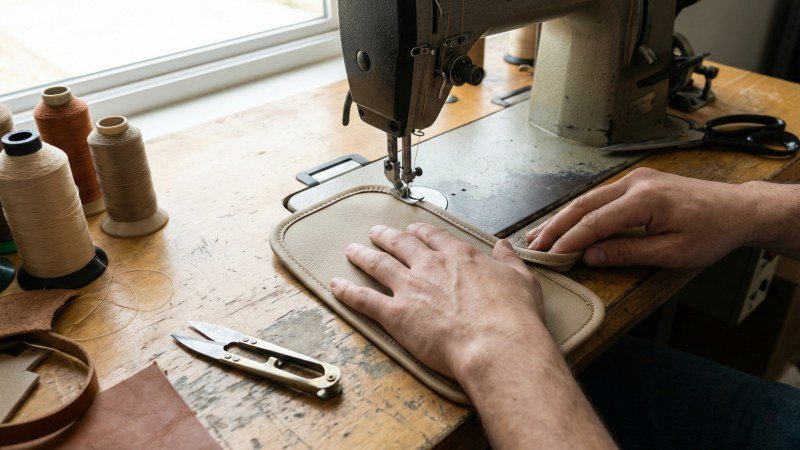
A factory-quality finish requires precise edge preparation, where the carpet pile is sheared back to reduce bulk, ensuring the binding sits flat. Additionally, seamless corners are achieved by pre-stretching the binding tape around the radius rather than folding it, while using high-tensile bonded nylon thread (typically V69 or V92) with a stitch length of 4mm to 6mm ensures the seam remains tight without perforating the material excessively.
Preparing the Carpet Edge and Trimming Backing
The most common mistake in binding car mats is sewing directly over the raw, cut edge. If you do this, the combined thickness of the rubber backing, the carpet pile, and the folded binding tape creates a bulky, uneven ridge. This is similar to trying to weld two thick steel plates without chamfering the edges first; the penetration is poor, and the joint looks messy.
The fix? You must perform a process called “beveling” or “shearing.” This involves using specialized carpet shears or an electric beveler to trim the carpet pile at a 45-degree angle along the edge. You want to remove the fluffiness of the carpet fibers right where the binding will sit, leaving only the backing and a small amount of pile.
For mats with heavy rubber nibs on the bottom, you should also trim the rubber back slightly. By reducing the thickness of the material stack before you apply the tape, the binding can fold over tightly. This ensures the finished edge is flush with the rest of the mat, rather than sitting higher like a speed bump.
Techniques for Turning Corners Without Bunching
Sewing a straight line is easy, but the corners reveal the true skill of the trimmer. When you sew binding tape around a curved corner, the material behaves differently depending on the radius. If you just push the mat through the machine, the binding will gather and wrinkle, creating unsightly pleats known as “bunching.”
Your secret weapon here is the “tension and feed” technique. As you approach a corner, you need to physically pull and stretch the binding tape slightly against the direction of the sewing. By stretching the outer edge of the tape, you force it to conform to the longer distance of the outside curve. This is exactly like wrapping a vinyl graphic around a car bumper; you must stretch the film to make it lay flat around the curve without wrinkles.
Corner Troubleshooting Guide:
| Issue | Visual Symptom | Solution |
|---|---|---|
| Bunching | Wrinkles on the top surface of the binding. | Increase tension on the binding tape; stretch it more as you sew. |
| Cupping | The mat corner curls upwards like a bowl. | You stretched the binding too much; release tension slightly. |
| Missed Stitches | The needle hits the binding but misses the mat. | The binding is not folded tight enough against the mat edge. |
Selecting the Right Thread Weight and Stitch Length
The structural integrity of your edging depends entirely on the thread. You cannot use standard cotton thread, as it will rot when exposed to damp floor conditions. You must use Bonded Nylon or Polyester thread.
The thickness of the thread is measured in “V” sizes. For most car mats, V69 (Tex 70) is the standard industry specification. It is strong enough to hold tight but thin enough to settle into the binding material without looking bulky. For heavy-duty truck mats or leather binding, you might upgrade to V92 (Tex 90).
Don’t overlook the Stitch Length. Beginners often set the stitches too close together, thinking more stitches mean more strength. In reality, placing needle holes too close together creates a “perforation effect,” similar to the tear-strip on a cardboard package. Do you really want your binding to tear structurally right along that line of holes?
Recommended Settings:
- Stitch Length: Set your machine to 4mm to 6mm (roughly 4 to 6 stitches per inch). This provides ample hold without destroying the binding tape.
- Needle Size: Use a size #18 or #20 (Metric 110-125). A needle that is too small will bend against the rubber backing, while a needle that is too large will leave visible holes in the binding.
Conclusion
Selecting the correct car mat edging tape is not merely a matter of color preference; it is a technical decision that balances durability, equipment capability, and finish quality. By matching the material—whether it be economical Polypropylene, rugged Nylon, or premium Leather—to your specific sewing setup and environmental needs, you ensure a professional result that enhances your vehicle’s interior. Remember to verify critical specs like UV stability and width allowances before purchase to avoid common installation pitfalls.