-
Whatsapp +86 13526654721
-
Email: sales@carmatrolls.com
-
Address: AUX Industrial Park, Shangjie District, Zhengzhou City, Henan Province, China
-
Whatsapp +86 13526654721
-
Email: sales@carmatrolls.com
-
Address: AUX Industrial Park, Shangjie District, Zhengzhou City, Henan Province, China

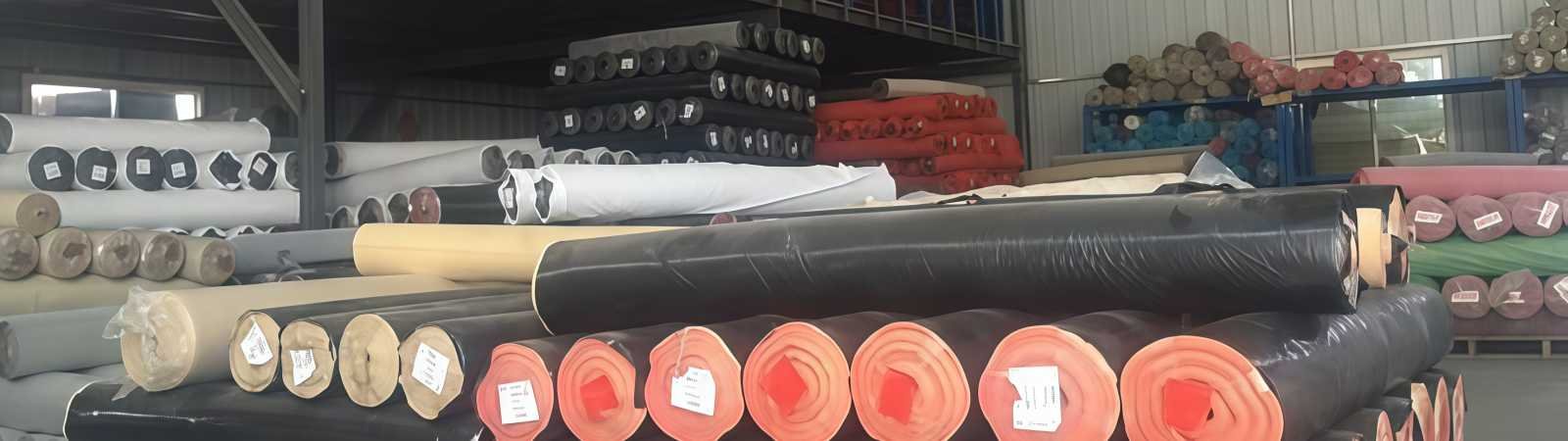
The Ultimate Guide to PVC Coil Mat Rolls for Car Floor Mats (Spaghetti Mats)
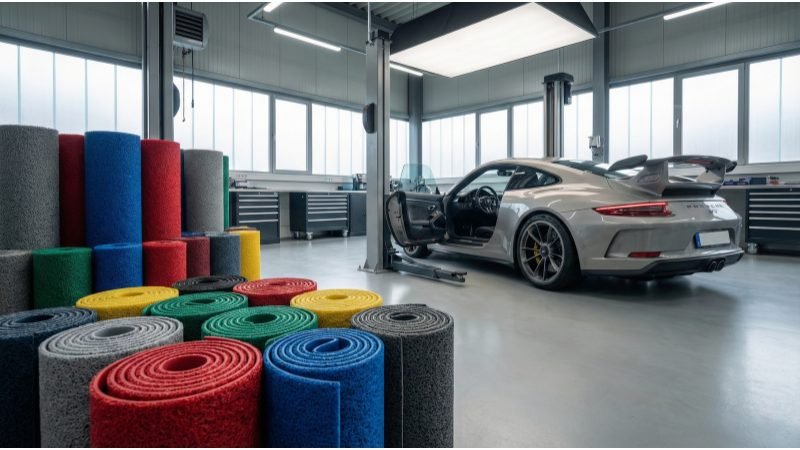
What makes PVC coil mat rolls the ideal material for manufacturing durable and profitable custom car floor mats?
PVC coil mat rolls, often referred to as spaghetti mats, offer a superior automotive flooring solution by combining vinyl loop technology with durable backing systems to trap dirt, hide moisture, and provide anti-fatigue comfort. For manufacturers, these rolls provide a versatile, cost-effective raw material that can be precision-cut, customized with heel pads, and tailored to fit any vehicle make or model while meeting strict safety and environmental standards.
Advantages of PVC Coil Material in Vehicle Flooring
Why are PVC coil mats often considered superior to traditional rubber or carpet mats for automotive interiors?
PVC coil mats provide a distinct advantage by actively trapping dirt and moisture within their looped structure, keeping the visible surface clean and dry. Unlike flat rubber mats that allow water to pool and debris to slide, the porous design of coil mats improves safety by maintaining traction and offers superior driving comfort through its cushioned, anti-fatigue properties.
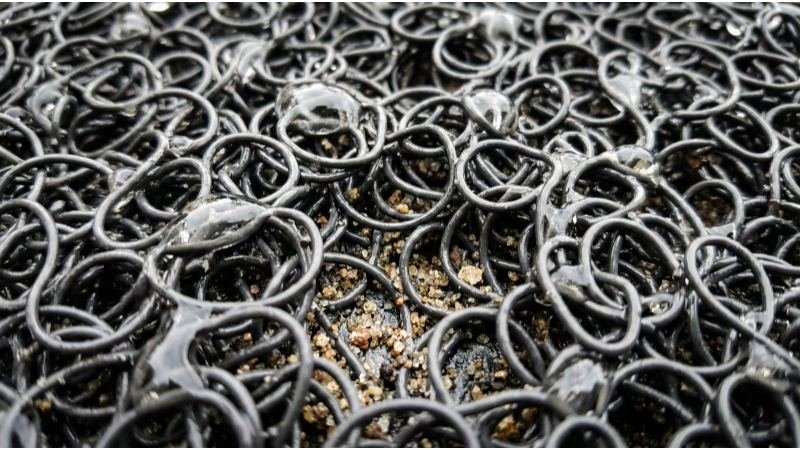
Trapping Dirt and Moisture to Protect Original Carpet
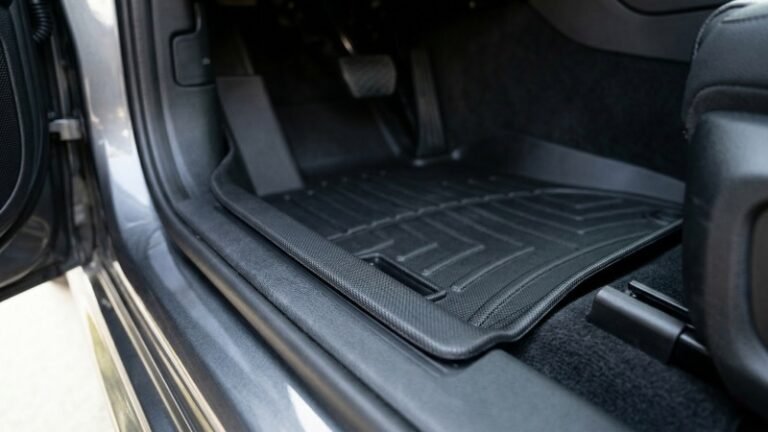
The primary function of any car mat is protection, but PVC coil mats operate differently than standard rubber trays. In a traditional flat rubber mat, dirt and water sit on the surface. Consequently, when the vehicle accelerates or brakes, this slush can spill over the edges and onto the factory-installed carpet.
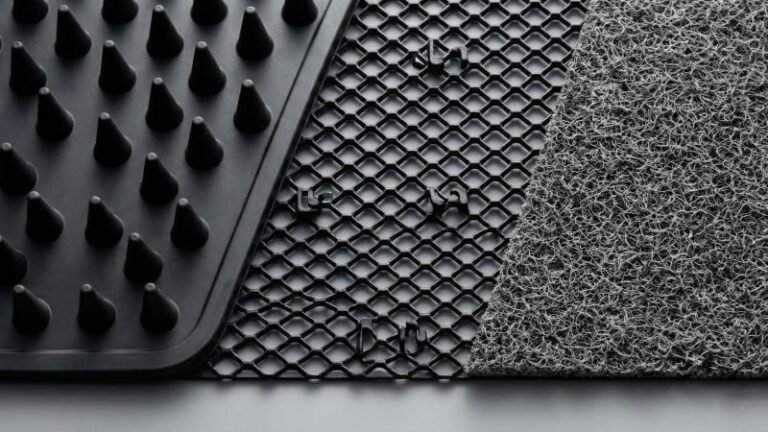
PVC coil mats utilize a “gravity filtration” system. The random loop structure creates a complex network of open spaces. When mud, sand, or crumbs fall onto the mat, they do not stay on top. Instead, gravity pulls these particles down to the solid bottom layer.
The “Visual Cleanliness” Effect
This structure offers a significant aesthetic benefit known as “visual cleanliness.” Because the debris sinks to the bottom, the top surface of the mat appears clean even after heavy use.
- Debris Concealment: Sand and dust are hidden deep within the coils.
- Fluid Management: Rainwater and melted snow flow to the bottom, preventing puddles from forming under the driver’s feet.
- Containment: The coils act like baffles in a fuel tank, restricting the movement of liquid and dirt so it does not spill onto the vehicle’s interior lining.
Enhanced Driving Comfort and Vibration Dampening
Long-distance driving often leads to foot fatigue. This is where the physical properties of PVC coil material offer a functional upgrade over hard plastic or thin carpet. The material acts similarly to industrial anti-fatigue mats used in automotive assembly lines, but it is specifically tailored for the driver’s footwell.
The coil structure is resilient. It compresses slightly under the weight of the driver’s heel, providing a cushioning effect. This reduces the physical stress on the heel and ankle during long commutes. Furthermore, this elasticity helps dampen chassis vibration. As the car moves over rough pavement, the mat absorbs high-frequency vibrations before they transfer to the driver’s feet.
Note: The degree of cushioning and sound absorption depends heavily on the density and weight of the specific product. Always check the material’s GSM (grams per square meter) to ensure it meets your comfort requirements.
Comparison of Automotive Mat Materials
| Feature | Standard OEM Carpet | Flat All-Weather Rubber | PVC Coil (Spaghetti) |
|---|---|---|---|
| Cushioning | Low | Low | High |
| Sound Absorption | Medium | Low | High |
| Vibration Dampening | Low | Low | Medium-High |
Safety Features and Anti-Slip Performance
Safety in the driver’s seat depends on stability. A slipping floor mat can lodge under the brake or accelerator pedal, causing dangerous obstructions. PVC coil mats address this through two distinct mechanisms: surface traction and fluid displacement.
Surface Friction and Grip
The textured surface of the coil mat provides high friction against the driver’s shoe. Even when shoes are wet, the loops “bite” into the sole pattern. This prevents the foot from slipping off the pedal during emergency braking. In contrast, smooth rubber mats can become incredibly slick when wet or oily.
Fluid Displacement for Safety
The open structure prevents hydroplaning inside the car. On a flat mat, a collection of rainwater creates a slippery layer between the rubber and the shoe. With PVC coil mats, the water immediately drains away from the contact patch. Therefore, the driver maintains a secure, dry connection with the floor area, ensuring precise pedal control at all times.
Key Specifications for High-Quality Car Mats
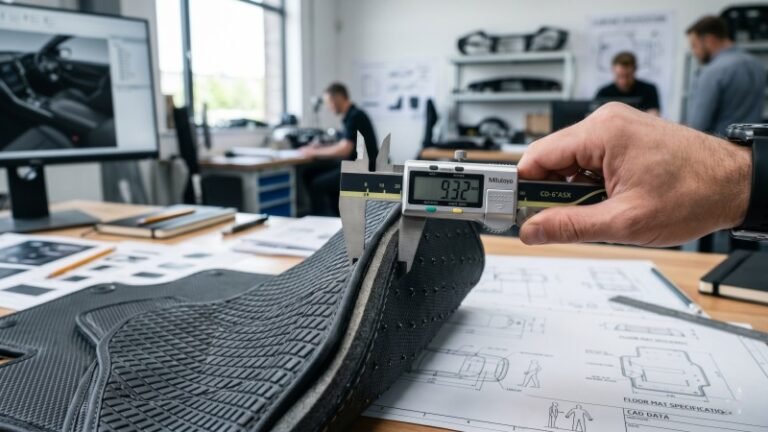
High-quality PVC coil mats for automotive use are defined by three critical technical specifications: an optimal thickness range between 12mm and 15mm to balance durability with pedal safety, a rigid spiked backing system for mechanical grip, and the use of virgin PVC compounds to ensure an odorless, non-toxic interior environment. These parameters determine the product’s lifespan, safety compliance, and suitability for the confined, variable-temperature environment of a vehicle cabin.
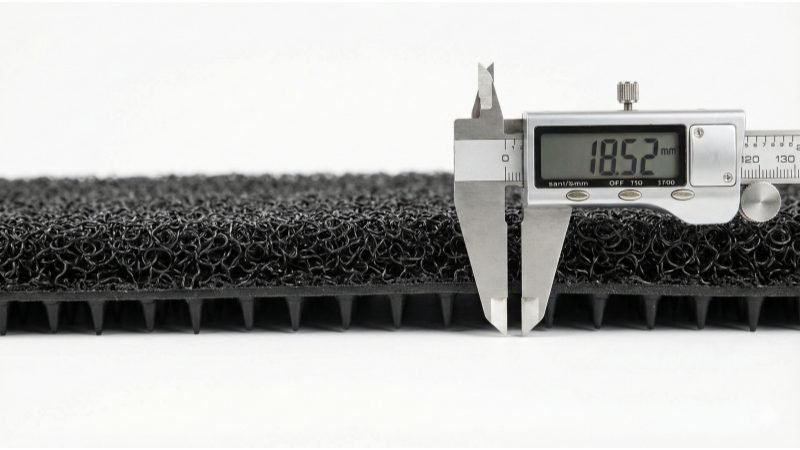
Optimal Thickness Levels for Pedal Clearance and Durability
Selecting the right thickness is a balancing act between luxury and safety. In the automotive aftermarket, “thicker” is often marketed as “better” because it feels softer underfoot. However, excessive thickness can be dangerous in a driver’s footwell.
If a mat is too thick (exceeding 20mm), it may physically obstruct the full travel of the brake or accelerator pedals. Conversely, if a mat is too thin (under 10mm), the driver’s heel will wear a hole through the coil structure very quickly, exposing the backing.
The Industry Standard “Sweet Spot”
For most sedans and SUVs, the ideal thickness range is 12mm to 15mm.
- 12mm: Standard grade. It offers sufficient durability for daily commuting and clears all standard pedal assemblies.
- 15mm – 18mm: Premium grade. This provides a denser cushion and a more luxurious look but requires careful fitment checks around the pedal box.
Note: Thickness tolerances can vary significantly between batches (often by +/- 2mm). It is crucial to verify the compressed vs. uncompressed thickness specifications before confirming bulk orders.
Durability vs. Thickness Correlation
Think of the coil thickness like the tread depth on a tire. A deeper tread (thicker coil) allows for more material to wear away before the “bald spot” (backing) is reached. However, just as an off-road tire is too bulky for a sports car, an extra-thick commercial mat is unsuitable for a compact car with tight pedal spacing.
Importance of Spiked Backing for Grip and Stability
The backing of a PVC coil roll is arguably more important than the top layer because it dictates safety. In the automotive industry, the primary goal of the backing is to prevent “mat creep.” Mat creep occurs when the floor mat slowly migrates forward while driving, potentially jamming under the pedals.
Why Flat Backing Fails
Smooth or flat backing relies solely on friction and the weight of the mat to stay in place. In a vehicle, this is insufficient. The constant vibration of the car and the lateral forces from the driver’s feet entering and exiting the vehicle will cause a flat-backed mat to slide.
The Mechanics of Spiked Backing
High-quality automotive coil rolls feature a “Nail” or “Spike” backing. These are small, rigid rubberized nubs protruding from the bottom.
These spikes function similarly to the male side of a hook-and-loop fastener (like Velcro) used in automotive upholstery. The spikes physically penetrate and interlock with the loops of the vehicle’s original carpeting. This mechanical bond creates high shear resistance, meaning the mat cannot slide forward or backward, even under heavy braking pressure.
Selecting Virgin Materials for Odorless Interiors
The chemical composition of the PVC determines the air quality inside the vehicle. This is a critical selling point for end-users. Cars are enclosed spaces that experience extreme temperature fluctuations. In summer, interior temperatures can exceed 60°C (140°F).
Recycled vs. Virgin PVC
- Recycled Materials: Often made from scrap cable casings or waste plastic. These materials frequently contain unstable fillers. When heated, they release Volatile Organic Compounds (VOCs), resulting in a strong, chemical “rubber” smell. This can cause fogging on the windshield and health issues for passengers.
- Virgin Materials: Made from new PVC resin. These materials are chemically stable. They do not off-gas toxic fumes even under high heat, making them “odorless” and safe for families.
Visual and Physical Indicators
You can distinguish these materials without a lab test using the following comparison:
| Feature | Virgin PVC compounds (High Quality) | Recycled PVC (Low Quality) |
|---|---|---|
| Smell | Neutral / No Scent | Strong Chemical / Gasoline Odor |
| Color Clarity | Vibrant, clear colors | Dull, often muddy or greyish tones |
| Tear Strength | High elasticity; coils stretch before breaking | Brittle; coils snap easily when pulled |
| Bend Test | No white crease marks when folded | Appears white/cracked at the fold line |
Using virgin material ensures that the mats maintain their structural integrity over time. Just as cheap aftermarket plastic trim becomes brittle and fades in the sun, recycled coil mats will dry out and crumble within a year. Virgin mats remain flexible and vibrant for years.
Fabrication Techniques from Roll to Finished Mat
Fabricating finished car mats from PVC coil rolls involves a three-step production process: precision cutting the raw material to match specific vehicle floor templates, installing reinforcement heel pads on the driver’s side to extend product life, and attaching retention clips that lock the mat onto the vehicle’s original floor anchors.
Efficient Cutting Methods for Custom Fitment
Converting a 12-meter roll of PVC coil into specific shapes requires handling the material correctly. The “spaghetti” loop structure creates a messy edge if cut improperly. Therefore, the cutting method defines the edge quality of the final product.
Manual Cutting (Low Volume)
For small shops or custom orders, manual cutting is common. Operators use heavy-duty shears or an oscillating knife.
The most effective technique here is “Back-Cutting.” Instead of cutting through the loops, flip the material over. Trace the template onto the flat backing and cut through the solid base first. This is similar to cutting a gasket sheet in an automotive workshop; you follow the solid line on the substrate rather than trying to cut through the textured face. This method ensures the loops at the edge are sliced cleanly rather than pulled or frayed.
CNC Digital Cutting (High Volume)
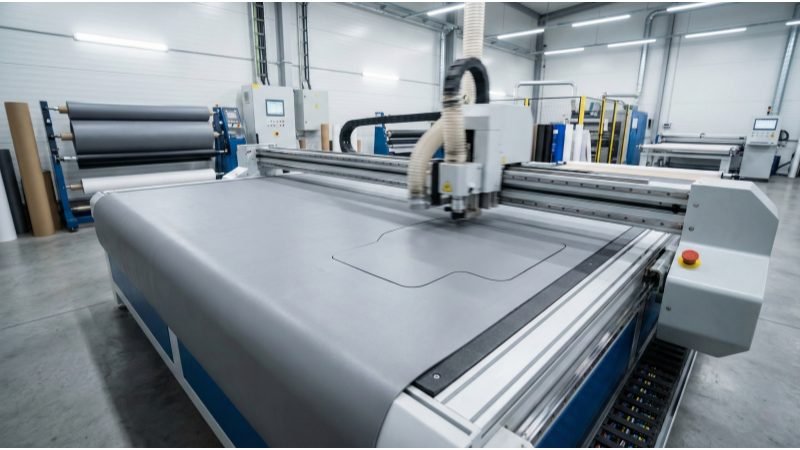
Mass production requires flatbed digital cutters equipped with oscillating tools. A static blade drags the material, but an oscillating blade vibrates rapidly (like a jigsaw but much faster) to slice through the thick 15mm coils without compressing them.
Industry Tip: When using CNC machines for PVC coil mats, the drag knife speed is typically set lower than it is for leather or carpet. This prevents the blade from overheating and melting the PVC strands, which would leave a hardened, plastic bead along the edge.
Comparison of Cutting Methods
| Feature | Manual Cutting (Shears/Knife) | Digital Flatbed Cutter (CNC) |
|---|---|---|
| Precision | Variable (Dependent on operator skill) | High (0.1mm tolerance) |
| Edge Finish | Rougher; may require trimming | Clean; vertical edges |
| Speed | 1 set per 15-20 minutes | 1 set per 2-3 minutes |
| Waste | Higher (Manual nesting is inefficient) | Low (Computerized nesting) |
Installing Heel Pads to Prevent Premature Wear
The driver’s side mat faces a unique stress test. The driver’s right heel rests in the exact same spot, acting like a pivot point while switching between the brake and accelerator. Because PVC coils are soft and hollow, this concentrated friction acts like a drill. Without protection, the heel will grind a hole through the coils down to the backing within a few months.
To prevent this, manufacturers install a Heel Pad. This is a solid rectangular plate, usually made of harder PVC, Stainless Steel, or Thermoplastic Rubber (TPR).
High-Frequency (HF) Welding
This is the industry standard for PVC pads. An HF welding machine uses electromagnetic energy to fuse the heel pad directly to the coil mat. It melts the two PVC surfaces together, creating a permanent bond without glue. It is similar to how plastic intake manifolds are fused in engine manufacturing.
Mechanical Fastening
For metal or thick rubber pads, screws or plastic rivets are used.
- Pilot Holes: Holes are punched through the pad and the mat.
- Backing Plate: A washer or plate is placed under the mat.
- Compression: Screws are tightened to sandwich the coil mat between the heel pad and the backing plate.
Note: Welding settings such as temperature and dwell time will vary based on the specific PVC compound used. It is recommended to perform a peel test on a scrap piece before running a full production batch.
Attaching Retention Clips and Fasteners
The final step in fabrication is ensuring the mat stays locked to the car floor. Most modern vehicles (like Toyota, BMW, and VW) have factory-installed hooks or knobs on the floor carpet. The PVC mat must have a corresponding “female” clip to click into these anchors.
Identifying the Anchor Type
There is no universal clip. You must match the clip to the car model:
- Twist-Lock (Oval): Common in European cars. The clip is inserted, and a knob is turned 90 degrees.
- Hook Type: Common in Japanese cars. A hook slides into a hole reinforced by a grommet.
- Snap Post: Common in American cars. A round post snaps into a round socket.
Installation Process
The installation requires a pneumatic press or a hand punch.
- Marking: The fabricated mat is placed over the OEM template to mark the exact anchor position. Precision is vital; a misalignment of just 5mm can cause the mat to buckle, lifting it off the floor.
- Punching: A circular hole is punched through the coil and backing.
- Assembly: The clip consists of a top ring and a bottom ring. The top ring goes over the coils, and the bottom ring goes under the backing. They are pressed together until they snap shut, compressing the mat material between them.
This ensures the mat can withstand the lateral forces of feet pushing against it without dislodging from the safety anchors.
Trending Styles and Market Demands
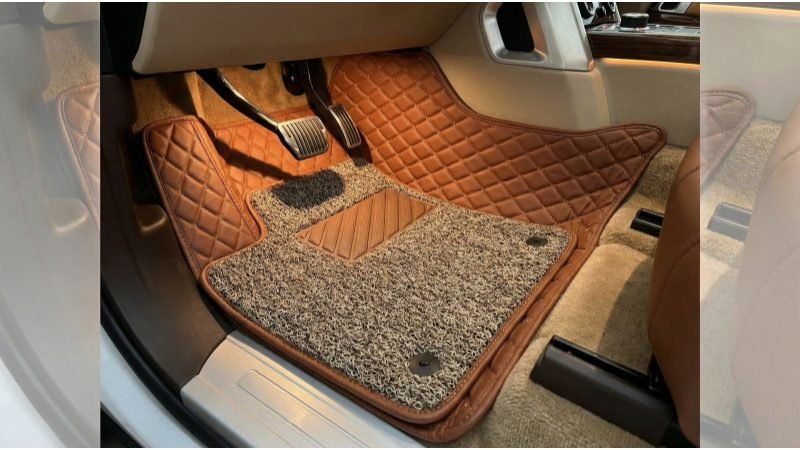
The automotive accessory market is shifting towards “Double Layer” systems that combine full-coverage leather bases with detachable PVC coil inserts for superior protection and style. Simultaneously, demand is rising for two-tone color blends that match vehicle interiors, alongside premium edge binding techniques that replace rough, raw edges with stitched leather or nylon borders for a factory-finished look.
Double Layer Combinations with Leather Kits
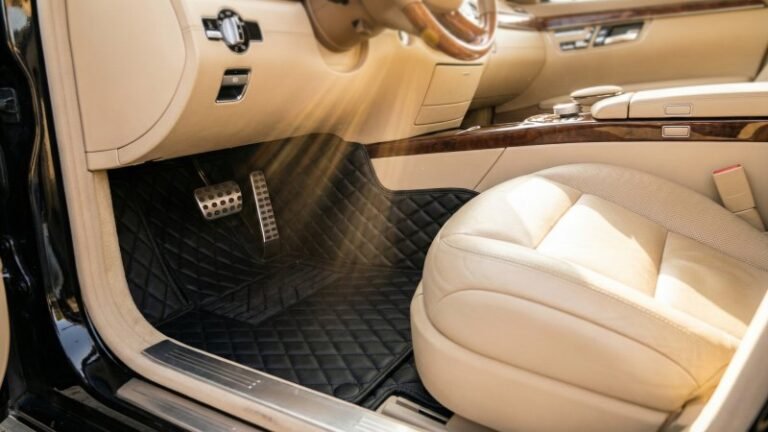
The most significant evolution in the floor mat industry is the move from single flat mats to “5D” or “7D” double-layer systems. In this configuration, the PVC coil mat is not the only layer. Instead, it serves as the top, sacrificial layer that sits upon a custom-molded PU leather base.
The Assembly Structure
Think of this like a two-part automotive paint job. The PU leather base acts like the “Base Coat,” providing total coverage and color for the entire footwell, including the vertical side walls. The PVC coil mat acts like the “Clear Coat.” It sits flat on the floor area to absorb the daily wear, dirt, and heel abrasion.
The Attachment Mechanism
These two layers are connected using rotating twist clips. This allows the user to detach the coil layer for easy high-pressure washing while leaving the leather base installed in the car.
Why the Market Loves It
This combination solves a major complaint about standard coil mats: lack of side coverage. Standard coil mats are flat and cannot climb the walls of the center console. By pairing them with a molded leather liner, manufacturers offer complete carpet protection. This style is particularly dominant in the SUV and luxury MPV markets (such as for the Toyota Alphard or Mercedes V-Class), where owners want a “living room” feel.
Two-Tone Color Mixing for Esthetic Appeal
Gone are the days when car mats were only black or grey. Modern car interiors feature complex color palettes, such as saddle brown leather, red stitching, or beige dashboards. To match this, PVC coil manufacturers now use co-extrusion technology to create two-tone “heathered” rolls.
How It Works
During the extrusion process, two different colored PVC resins are melted and fed into the spinnerets simultaneously. For example, a “Black and Red” roll isn’t painted; the individual spaghetti strands are a mix of black strands and red strands interlaced together.
Strategic Color Matching
Dealers use these mixes to upsell customers based on their car’s trim level.
| Interior Style | Recommended Coil Color Mix | Visual Effect |
|---|---|---|
| Sport Trims (GTI, Type R) | Black + Red Mix | Hides dust well; aggressive, sporty look. |
| Luxury Beige (Lexus, Cadillac) | Beige + Brown Mix | Warm tone; camouflages dry sand and light dirt. |
| Standard Commercial | Grey + Black Mix | The most practical choice; hides almost all urban debris. |
| Modern EV (Tesla) | Black + Grey (Carbon look) | Minimalist and clean; matches modern grey plastics. |
Note: Color consistency can be difficult to maintain. A “Beige” mix from one production run might look slightly different than the next due to variations in the masterbatch pigment. Always advise customers to buy enough material for a full car set from a single roll to avoid mismatched shades.
Customizing Edge Binding for Premium Finish
A raw, cut edge on a PVC coil mat can look unfinished. The loop structure is exposed, and over time, the outer strands can fray or catch on shoes. To command a higher retail price, manufacturers are moving toward “Edge Binding” or “Serging.”
The Process
This involves sewing a strip of material around the perimeter of the cut mat. It is similar to the piping found on premium leather car seats. The binding encapsulates the raw spaghetti edges, creating a solid frame.
Material Options
- Nylon Webbing: Durable and cheap. It looks like a seatbelt material. It is great for work trucks.
- PU Leather Tape: High-end look. It matches the leather seats but is harder to sew around tight corners.
Machine Requirements
You cannot use a standard garment sewing machine for this. The coil mat is 15mm thick. You require a heavy-duty industrial “walking foot” sewing machine (often used for upholstery or leatherwork). The walking foot mechanism pulls the thick mat through the needle evenly. If you try this with a stationary foot, the feed dogs will tear the backing, and the stitches will bunch up.
Visual Upgrade
An edge-bound mat looks like a factory OEM part rather than a DIY garage project. This small detail often allows retailers to increase the final price of a mat set by 20% to 30%.
Sourcing and Inventory Management for Manufacturers
Successful inventory management for PVC coil mats depends on three strategic pillars: utilizing advanced nesting techniques to maximize material yield per roll, rigorously verifying independent SGS laboratory reports to guarantee non-toxic formulations, and implementing space-efficient packaging solutions that reduce shipping volume without damaging the product’s structure.
Maximizing Yield per Roll to Reduce Waste
In the manufacturing of automotive interiors, material cost is often the largest expense. “Yield” refers to the percentage of the raw roll that actually ends up in the final product. The remaining material is scrap waste. Increasing your yield directly increases your profit per roll.
Selecting the Correct Roll Width
The most critical decision happens before the purchase. PVC coil rolls typically come in widths of 1.2 meters (4 feet) or 1.5 meters (5 feet). Buying the wrong width creates unavoidable waste.
Imagine you are cutting a trunk mat that is 1.3 meters wide. If you only stock 1.2-meter rolls, you cannot produce this part. Conversely, if you use a wide 1.5-meter roll to cut narrow driver mats, you will be left with a 30cm strip of scrap along the entire length of the roll. This is similar to selecting the correct sheet metal size for a stamping press; using an oversized sheet results in a large, useless metal skeleton.
Using Computerized Nesting
Modern workshops use CAD (Computer-Aided Design) software to arrange the cutting patterns. This process, known as “nesting,” rotates and interlocks the shapes of the driver, passenger, and rear mats to fit as tightly as possible.
- Manual Layout: Typically achieves 70-75% material usage.
- CAD Nesting: Can achieve 85-90% material usage.
Note: Roll lengths and widths can vary slightly due to the extrusion process (often +/- 1%). Always instruct your cutting team to measure the actual usable width of every new roll before loading a nesting program to avoid cutting off the edge.
Utilization of Off-Cuts
Even with good nesting, small scraps remain. Efficient manufacturers repurpose these “off-cuts” into smaller, saleable items to reach near-zero waste. For example, small rectangles can be cut into coasters for cup holders or small non-slip pads for dashboard storage trays.
Verifying SGS Certifications for Health Standards
Since car mats are used in enclosed spaces that get very hot, chemical safety is non-negotiable. Consumers are increasingly aware of “new car smell,” which is actually the off-gassing of chemicals. To protect your brand, you must ensure your PVC rolls are certified safe.
Understanding the Reports
SGS is a leading inspection and certification company. A legitimate PVC coil mat supplier should provide a test report, often referring to REACH (for Europe) or RoHS standards. These tests screen for hazardous substances.
Key Substances to Watch
You are not just looking for a “Pass” stamp. You need to verify specific elements.
| Substance | Why it is dangerous | Acceptance Criteria |
|---|---|---|
| Phthalates | Plasticizers used to make PVC soft. Some cause hormonal issues. | Must be < 0.1% by weight. |
| Lead / Cadmium | Heavy metals used as cheap stabilizers. Toxic to humans. | Must be Non-Detected (ND). |
| Formaldehyde | A volatile chemical that causes respiratory irritation. | Must be within safe limits (low ppm). |
Verification Process
Do not blindly trust a PDF sent by email. Unscrupulous suppliers may use Photoshop to alter dates or results.
- Check the Date: Ensure the report is less than 1-2 years old. Formulas change.
- Match the Material: The report must specifically test “PVC Coil Mat,” not just generic PVC granules.
- Online Verification: Use the report number to verify authenticity on the official SGS website.
Packaging Solutions for Retail and Shipping
PVC coil rolls are heavy and full of air. Shipping “air” is expensive, but compressing the product too much can damage it. Finding the balance is key to logistics management.
Bulk Roll Packaging
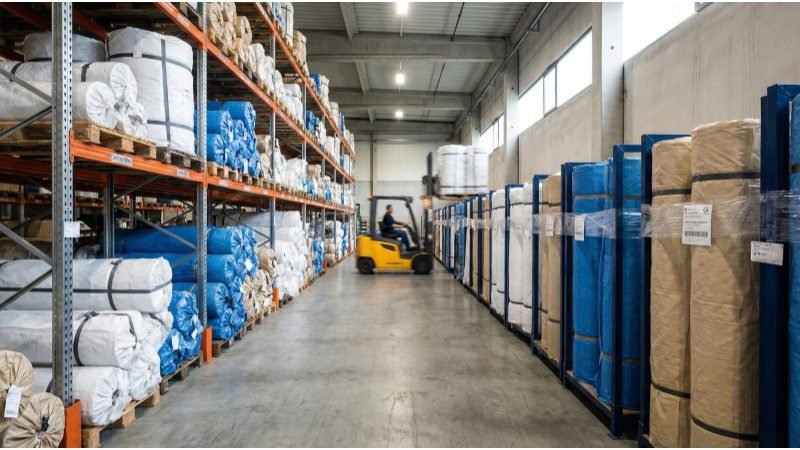
For B2B shipping, rolls are typically wrapped in woven plastic bags. The core of the roll usually contains a cardboard tube to prevent crushing.
- The “Crush” Risk: If a roll is stacked at the bottom of a heavy pallet, the spaghetti loops can become permanently flattened. This ruins the “cushioning” effect discussed earlier.
- Solution: Store rolls vertically (standing up) in your warehouse if possible, or limit stack height to 3-4 rolls horizontally to reduce pressure on the bottom units.
Retail Packaging for Finished Sets
When selling finished car mats to consumers, presentation matters.
- Plastic Hangers: For brick-and-mortar stores, mats are often stapled to a heavy-duty plastic hanger. This allows customers to touch the texture.
- Carton Boxes: For e-commerce (Amazon/eBay), mats must be folded or rolled into a box.
Managing “Coil Memory”
PVC has “memory.” If a mat is folded tightly into a box for weeks during shipping, it will come out curled.
- Advisory: Include a “Care Card” in the box instructing the customer to lay the mats flat in the sun for 30 minutes. The heat relaxes the PVC tension, allowing the mat to return to its original flat shape.
Note: Packaging methods often dictate the minimum order quantity (MOQ). Verify these costs and packaging dimensions upfront to calculate your accurate landed cost per unit.
Conclusion
The market for PVC coil car mats has evolved from simple utility to a segment demanding customization, safety, and luxury. For wholesalers and manufacturers, success lies in understanding the material properties—from the importance of virgin PVC resin to the mechanics of spiked backing.
By adhering to strict quality controls, employing efficient nesting for yield optimization, and keeping pace with design trends like double-layer kits, businesses can offer a product that protects both the vehicle and the end-user’s health. Whether you are sourcing raw rolls or retailing finished sets, prioritizing quality specifications over the lowest possible price is the only sustainable path to long-term growth in the automotive accessory market.